


Most Rajasthan trips run through at least one fort and one haveli, and after a while they start to blur together. Jaisalmer is different. The fort here isn't a monument you visit and leave; people actually live inside it, run shops from its courtyards, and have done so for over 850 years. That single fact changes how the whole city feels, and it's why Jaisalmer places to see rarely get skipped on anyone's Rajasthan itinerary once they've read a bit about what's actually here.
This guide walks through the historical core of the city, the fort, the havelis, and the temples that make up most of what people mean when they ask about historical places in Jaisalmer, along with practical details on timing, entry fees, and how to fit them into a trip without rushing through any of it.
Why Jaisalmer's History Feels Different
Jaisalmer was founded in 1156 by Rawal Jaisal, a Bhati Rajput ruler who moved his capital here after abandoning the earlier fort at Lodhruva. The city sat on an old trade route connecting India to Central Asia and the Middle East, and for centuries, camel caravans carrying silk, spices, and opium passed through on their way to and from the ports further west. That trade money is exactly what paid for the elaborate havelis scattered through the old city, built by merchants who wanted their wealth reflected in stone as much as anywhere else.
The golden sandstone used throughout the city comes from local quarries, and it's the reason Jaisalmer earned the nickname "the Golden City." The color shifts through the day, pale in the harsh midday sun, and a much richer amber in the hour before sunset, which is part of why photographers tend to plan their fort visits around that specific window.
Jaisalmer Fort (Sonar Quila)
Jaisalmer Fort sits on Trikuta Hill, rising 250 feet above the surrounding city, and it's one of the very few fortified cities in the world where people still actually live inside the walls. Roughly a quarter of Jaisalmer's old city population resides within the fort itself, running homes, shops, guesthouses, and restaurants inside 99 bastions that have stood since the 12th century. UNESCO recognized it as a World Heritage Site in 2013, part of a group listing that covers several hill forts across Rajasthan.
Walking through the fort works best in stages rather than one continuous loop. The outer walls and bastions give you a sense of scale before you head inward toward the narrower lanes, where the architecture gets more detailed and the shops start crowding in. The Maharawal's palace complex sits near the center, with several levels open to visitors, including rooms that show off mirror work and painted ceilings from different periods of the fort's history.
Early morning is genuinely the better time to visit, and this isn't just standard travel-guide advice. The tour buses haven't arrived yet, the light on the sandstone is softer, and shopkeepers are still setting up rather than actively calling out to passersby. By late morning, especially in peak season, the main lanes get crowded enough that photography becomes a matter of waiting for gaps rather than composing shots freely.
| Detail | Information |
| Built | 1156 CE by Rawal Jaisal |
| Height | 250 feet above the city |
| Bastions | 99 |
| UNESCO status | World Heritage Site (2013) |
| Best time to visit | Early morning (6–9 AM) or sunset |
| Entry | Free to walk through; separate tickets for palace museum and select havelis inside |
| Typical time needed | 2–3 hours |
The fort's Jain temple complex deserves its own visit rather than a rushed stop on the way to something else, which is covered separately below.
The Havelis of Jaisalmer
If the fort is where Jaisalmer's rulers lived, the havelis are where its merchants competed with each other, quite literally, through stone. These mansions were built by wealthy trading families between the 15th and 19th centuries, and the level of detail carved into sandstone facades that would have taken years per building is hard to appreciate fully from photos alone.
Patwon Ki Haveli is the largest and most elaborate of the group, actually a cluster of five havelis built by a single family of jewelers and cloth merchants starting in 1805. The main haveli, built first by Guman Chand Patwa, has the most detailed facade of the five, with latticed windows and balconies carved in a density that makes the whole building look almost lace-like from a distance. Parts of it are now a museum, giving a sense of how a wealthy merchant family actually lived, down to preserved furniture and household items from the period.
Nathmal Ki Haveli, built in 1885, has a quirkier story behind it. Two brothers, both architects, worked on opposite halves of the building simultaneously without fully coordinating with each other, which is why the two sides aren't perfectly symmetrical if you look closely. Rather than being a flaw, it's become one of the haveli's more charming details, small variations in carving style that give away exactly where one brother's work ended and the other's began.
Salim Singh Ki Haveli is smaller than the other two but recognizable for its distinctive roof, which curves outward and is often described as shaped like a peacock in flight, or alternatively, like the stern of a ship. It was built for a former prime minister of the region in the late 1800s, and while the political history behind Salim Singh himself is a bit murkier than the building's architecture, the haveli itself is worth the short visit.
| Haveli | Built | Known For |
| Patwon Ki Haveli | 1805–1860 | Largest cluster, five interconnected havelis, museum sections |
| Nathmal Ki Haveli | 1885 | Asymmetrical construction by two brothers |
| Salim Singh Ki Haveli | Late 1800s | Distinctive peacock-shaped curved roof |
All three sit within reasonable walking distance of each other in the old city, which makes them easy to cover as a single loop rather than three separate trips.
Jain Temples Inside the Fort
Tucked within Jaisalmer Fort's walls is a complex of Jain temples dating back to the 12th and 15th centuries, dedicated to various Tirthankaras. The architecture here is a noticeable shift from the fort's outer defensive walls, intricate, detailed carving covering nearly every surface, in a style that echoes the more famous Dilwara temples of Mount Abu, though on a smaller scale.
Seven temples make up the complex, interconnected through a series of corridors and courtyards, and the quiet inside contrasts sharply with the market lanes just outside. It's worth visiting after the more crowded parts of the fort, since the calm here works better as a contrast rather than something you rush through on the way to somewhere louder.
A separate library within the complex, the Gyan Bhandar, houses a collection of ancient manuscripts, though access to this section is more restricted and not always open to general visitors.
Gadisar Lake and Its Temples
Not a temple complex in itself, but Gadisar Lake is ringed with small temples, shrines, and chhatris that give it a different kind of historical weight than the fort or havelis. Built originally as a water reservoir by Rawal Jaisal himself and later expanded by Maharawal Gadsi Singh in the 14th century, the lake was historically the city's main water source in a region where water scarcity has always shaped daily life.
The entrance gateway, Tilon Ki Pol, has its own bit of local history attached: it was funded by a well-known courtesan of the time, and legend has it the king initially refused to walk through a gate built with such money, until she added a small Krishna temple to the top of the structure, making it impossible for him to avoid passing beneath something sacred. Whether the story is entirely accurate or has grown a bit in the retelling over centuries, it's the kind of detail that makes Gadisar Lake more than just a scenic stop.
Morning visits here work well specifically because of the light on the water and the relative quiet before the day's heat sets in, plus boat rides are generally available for those who want a slower look at the temples ringing the ghats.
Things to Do in Jaisalmer Beyond the Historical Core
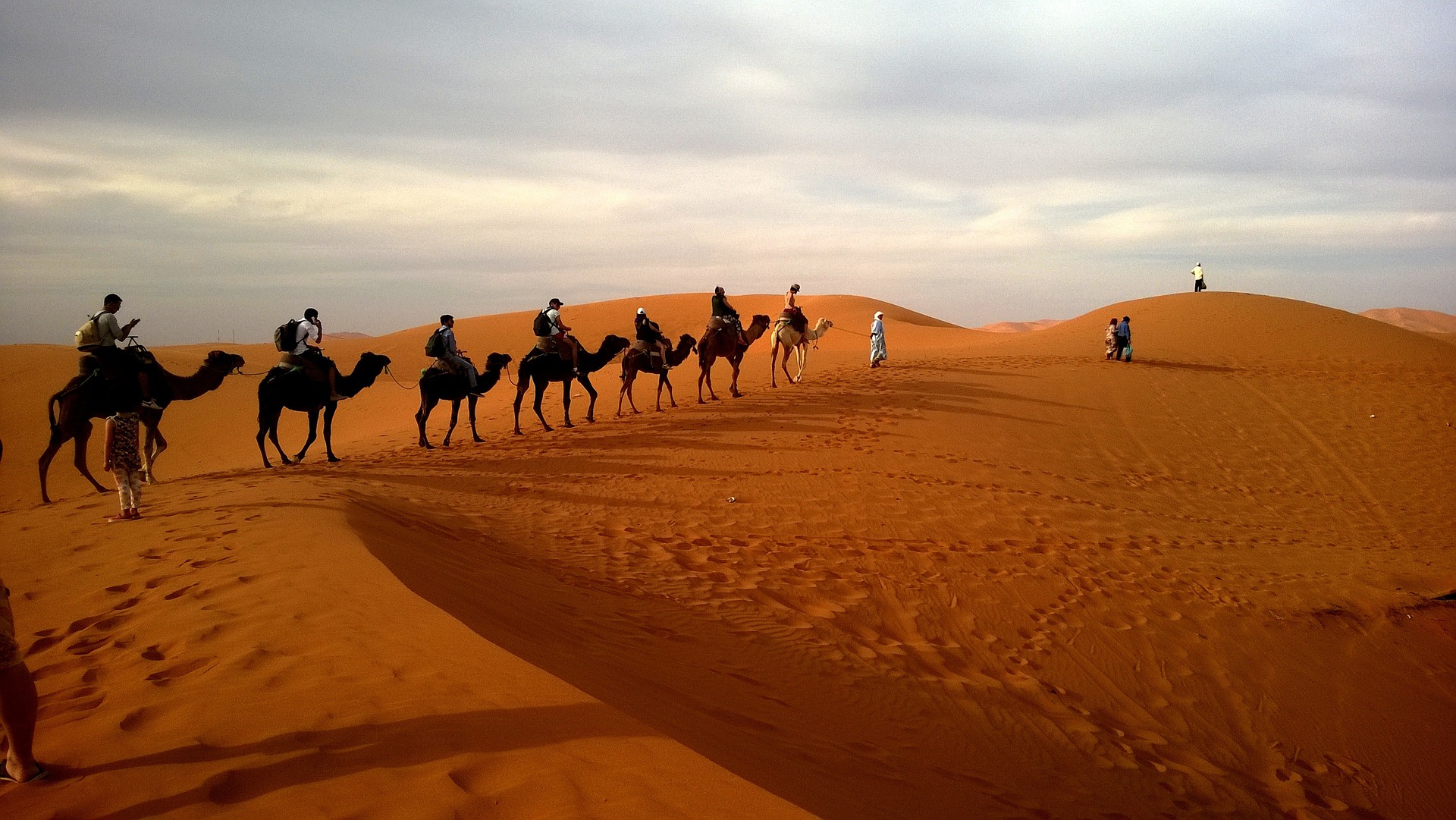
The fort, havelis, and temples cover the historical side of the city thoroughly, but they're only part of what makes up a complete Jaisalmer trip. A short drive out to Sam Sand Dunes adds the desert side of the experience entirely missing from the old city, camel safaris, jeep rides across the dunes, and an evening spent somewhere with genuinely dark skies overhead. For a fuller rundown of what's worth doing beyond the fort walls, the things to do in Jaisalmer guide covers the desert activities, day trips, and shopping spots that round out a trip.
Planning Your Time Around the Historical Sites
A single day is enough to cover the fort, the three main havelis, and Gadisar Lake, provided you start early and don't try to linger at every stop. Realistically, though, splitting this across a day and a half gives you room to actually sit with the Jain temples rather than rushing through, and to catch both a morning visit to the lake and a sunset return to the fort, since the golden sandstone genuinely does look different in that late light.
| Time of Day | Suggested Stop | Why |
| 6–9 AM | Jaisalmer Fort | Fewer crowds, softer light on the sandstone |
| 9–11 AM | Patwon Ki Haveli, Nathmal Ki Haveli, Salim Singh Ki Haveli | Old city walking loop, cooler before midday heat |
| Late morning | Jain Temples inside the fort | Quieter after the main fort rush |
| Early evening | Gadisar Lake | Boat rides, temple views at sunset |
Given how close all of this sits to the edge of the old city, most travelers pair a day or two of historical sightseeing with a night at a desert camp near Sam, rather than treating the two as entirely separate trips. If you're planning that combination, Western Desert Luxury Camp & Resort Jaisalmer sits close enough to the dunes that the desert side of the trip doesn't eat into the time you've set aside for the fort and havelis.
Practical Tips for Visiting Jaisalmer's Historical Sites
Wear shoes that come off easily, since several of the temple complexes require removing footwear before entering, and doing that repeatedly through a day of sightseeing is easier in slip-ons than in laced boots. Carry water regardless of season, since the walking between sites, even at a relaxed pace, adds up faster than it seems while you're distracted by architecture.
Hiring a local guide for the fort and havelis, even for a couple of hours, tends to add a layer of context that's easy to miss walking through alone, particularly around the smaller architectural details and the family histories tied to specific havelis. Photography is generally allowed throughout, though some sections of the Jain temples restrict it, so it's worth checking signage rather than assuming blanket permission.
October through March remains the most comfortable window for walking-heavy sightseeing like this, since the old city's stone lanes hold heat well into the evening during the hotter months, making an afternoon haveli walk considerably less pleasant than the same walk in December.
Frequently Asked Questions
1. What are the best historical places to see in Jaisalmer?
Jaisalmer Fort, Patwon Ki Haveli, Nathmal Ki Haveli, Salim Singh Ki Haveli, and the Jain temples inside the fort make up the core historical circuit. Gadisar Lake, while not a single monument, adds another layer of history through its temples and the story behind its main gateway.
2. Is Jaisalmer Fort still inhabited today?
Yes, roughly a quarter of the old city's population lives within the fort walls, running homes, guesthouses, and shops inside its 99 bastions. This makes it one of the few genuinely "living forts" left anywhere in the world.
3. How much time do I need to see the historical places in Jaisalmer?
A full day covers the fort, the three main havelis, and Gadisar Lake at a reasonable pace. A day and a half gives more room to actually spend time in the Jain temples and catch both morning and sunset light at different sites.
4. Are entry tickets required for the havelis and fort?
Walking through the fort itself is free, but the palace museum and certain sections of individual havelis require separate paid entry. It's worth checking current ticket prices locally, since these can change.
5. What is the best time of day to visit Jaisalmer Fort?
Early morning, roughly 6 to 9 AM, is best for fewer crowds and softer light on the sandstone. Sunset is a strong second option, when the golden stone takes on a richer color that's popular with photographers.